
After sending a draft, you may find yourself asking more people for reassurance, even after receiving useful feedback. When each response has to confirm your worth as a person, the question becomes much larger than whether the draft is clear.
Comparison can keep this going. Discovering that people around you are more capable than you expected, and rarely mention it, may make showing off less appealing. But becoming quiet only because someone else is further ahead still leaves you checking the ranking.
Trying to stop seeking validation from others includes asking what makes the work worth doing without a ranking. You can still want encouragement and useful criticism while giving each response less authority over your whole self.

Take time to read one piece of feedback.
What are you asking the other person to settle?
Consider sending a draft to a friend. You might need information about whether the explanation is clear. You might want company after a hard afternoon. You might want permission to publish. Those are different requests, although they can arrive in the same message.
“Where did you lose the thread?” gives a reader something to answer. “Does this mean I’m hopeless at writing?” asks them to judge much more than the draft can reveal.
Sometimes the request starts reasonably and then spreads. You ask another person, and another, waiting for a response that produces certainty. A useful criticism arrives, yet the reassurance you wanted still feels absent.
Before sending the next message, name what you need: feedback, comfort, information, or a decision you are reluctant to make. Naming it won’t remove the feeling. It can make the request more honest and answerable.
An unanswered message contains very little information
The friend hasn’t replied. That is what you know. “They think I’m terrible” is an explanation added to it.
There is no need to force yourself to believe the most comforting explanation either. They could be busy, unsure what feedback you want, uninterested in the draft, or unable to respond just now. You don’t yet know.
If the work needs review, state what kind of response would help and when you need it, then have another way to get the review. If you need support, you can say that directly. Asking one message to provide both professional feedback and permanent proof of your worth makes the silence much heavier.
A small personal decision can offer a place to practice. Choose something low-risk that is genuinely yours: how to spend a free evening, for example, or which version to keep in a private draft. Write your reason, check whether you need information, and make the choice without collecting a few extra votes.
Shared decisions, consent, and specialist questions still need the people concerned. Independence has a scope. You are practicing a choice you can reasonably own, with consequences you can bear.
Afterward, look at whether the choice suited its purpose. If you want to change it next time, you can. Discomfort during a decision is something to notice; by itself, it tells you little about the decision’s quality.
Put the response back beside the thing it concerns
“This section is confusing” can help you revise a section. It has much less to say about your whole life.
It helps to separate a few kinds of response:
| What happened | A question that stays close to it |
|---|---|
| A reader couldn’t follow an explanation | Where did the explanation lose them? |
| Someone dislikes your hobby | Is there a practical concern, or simply a different preference? |
| A message has no reply yet | What information do you actually have? |
| Someone repeatedly mocks you | Is this a way of being treated that you will continue to accept? |
These distinctions allow useful criticism to remain useful. A wrong number can be corrected; a hurtful joke may require an apology. You can take responsibility without accepting a verdict that everything about you is defective.
Preferences deserve their own space. Another person choosing a different hobby needn’t invalidate the one you enjoy. Likewise, disagreement alone doesn’t establish that a relationship is harmful. Look at the recurring way you are treated, including whether mistakes can be discussed with respect.
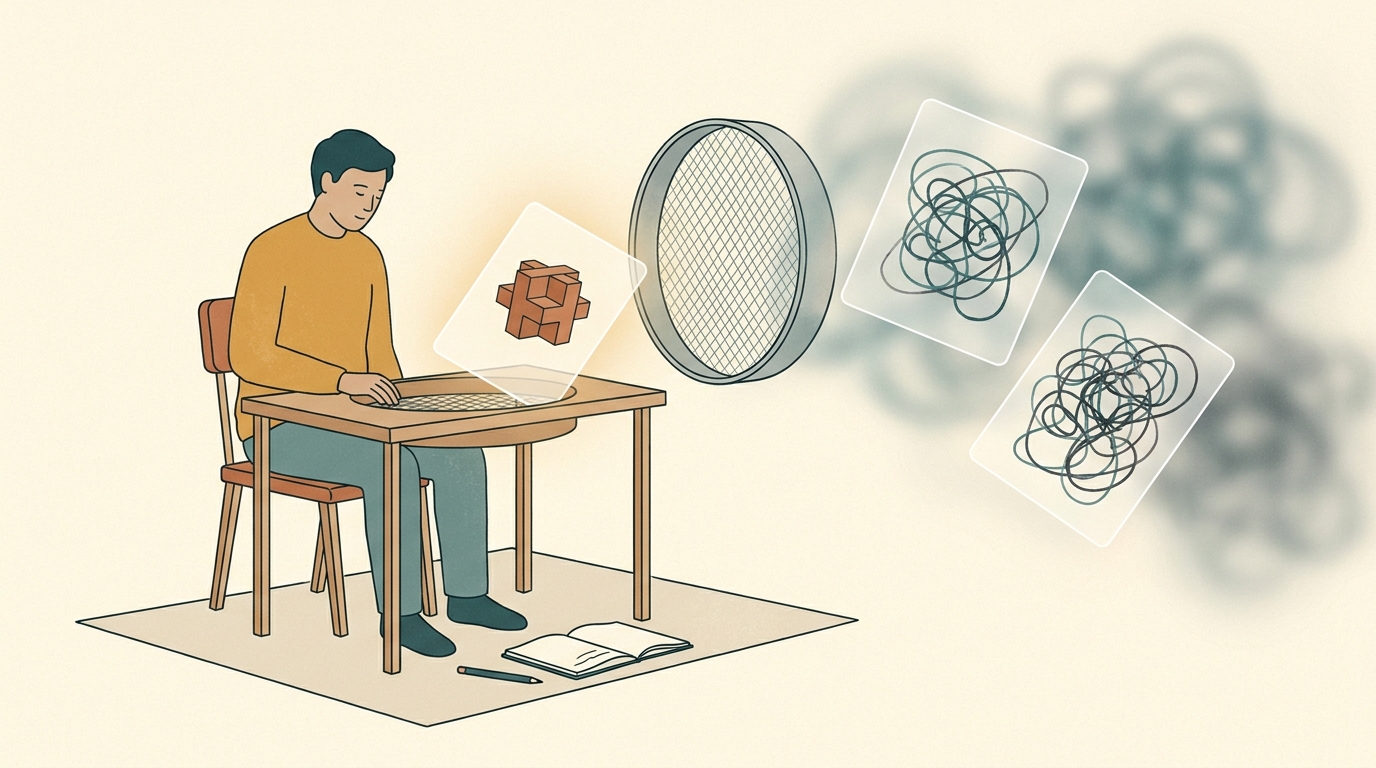
Which part of the feedback helps with this task?
Self-respect can sound fairly ordinary
The Centre for Clinical Interventions’ guidance on healthy self-esteem describes a balanced view of oneself, including strengths and weaknesses. The NHS advice on raising low self-esteem includes examining negative beliefs, building positive relationships, practicing assertiveness—making needs and limits clear while respecting others— and treating yourself more kindly.
Self-compassion means responding to your own difficulty with care, including when you made a mistake. You might say: “I’m embarrassed because I wanted this to go well. I can look at the useful part of the response.” You don’t have to declare that you are brilliant before examining the error.
A 2013 randomized trial of an eight-week mindful self-compassion program included 25 people in the treatment group and 27 in a waiting-list control group. It reported improvements in self-compassion and well-being, with gains maintained in follow-ups that included six months and one year. The community sample was small and mostly middle-aged women; the study didn’t test the exercises in this article.
It offers some evidence for taking a less punitive approach to yourself. It offers no promise that approval-seeking will disappear after repeating a sentence.
For a mistake, “I got this wrong and need to repair it” gives you somewhere to go. A sweeping judgment about your worth makes the repair harder to see.
Boundaries don’t need an audience
One response to feeling dependent on other people’s opinions is to reverse the game: become mysterious, make them wonder, make them need you more. That can keep the same contest running from a different position.
A boundary can be much plainer. It describes how you will participate: a subject you won’t discuss, a favor you can’t take on, a conversation you will leave if it becomes abusive.
You can say you are willing to discuss an error and unwilling to continue through insults. The other person may dislike that limit. Their approval isn’t what makes the limit understandable.
Where there is coercion, dependency, or danger, direct confrontation may be unsafe. Consider the practical consequences and seek trusted support. Advice about assertiveness is incomplete when it assumes everyone has the same freedom to act.
The aim I want to keep is room to choose how to relate, with less time spent guessing another person’s verdict. This is compatible with needing reassurance sometimes, enjoying praise, and asking for help.
Keep the relationships where you can be ordinary
Supportive relationships include comfort, encouragement, celebration, and correction. You can tell someone what kind of help you need: being heard before deciding, feedback on a specific paragraph, or company for a while.
I also want to notice which relationships allow an unremarkable version of me to exist. No demonstration of intelligence, no impressive update prepared in advance. Disagreement can remain, while the need to perform eases.
Leave room for parts of life that no single work review can judge: an activity you enjoy, caring for your body, and relationships where you can be ordinary. Giving different parts of life room is one way to think about that balance. To practice making a low-risk choice, name the decision, write your reason, and try it once without seeking extra votes; turning saved ideas into action offers further examples.
If repeated reassurance-seeking, fear of rejection, or low self-esteem is persistently distressing or affecting daily life, a qualified mental-health professional can help you examine the wider pattern. Wanting approval alone supplies no diagnosis.
For the draft waiting on your screen, return to the question you meant to ask. If you need a reader, request a reading. If you need encouragement, ask someone you trust. The next paragraph can still be written while you wait.
This article is for general information and isn’t professional advice.